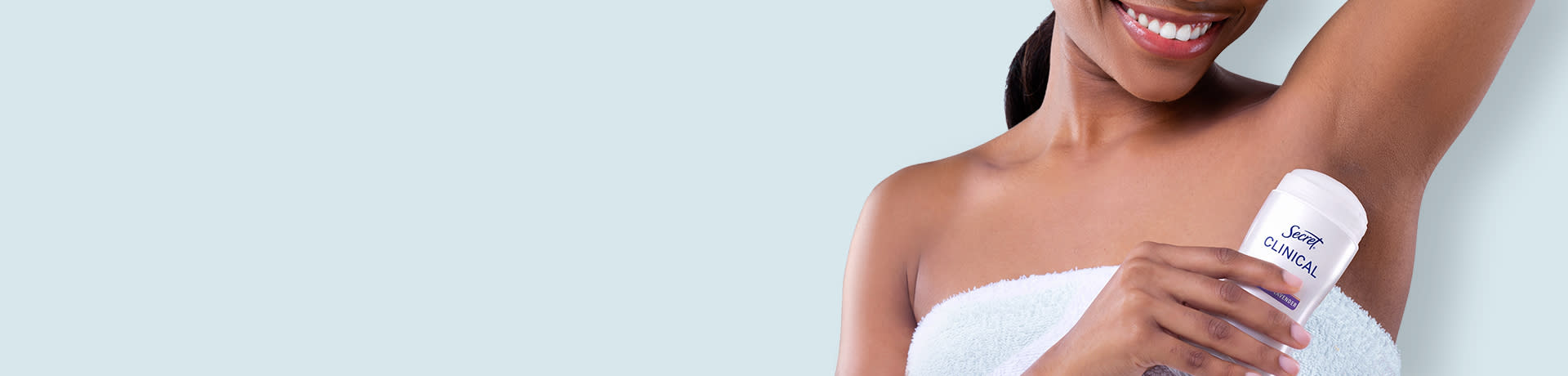
Did you know that sweat itself is nearly odorless? So, what's behind that unmistakable body odor? It comes down to bacteria. Specific bacteria live naturally on your skin feed on a particular type of sweat — the kind produced by your apocrine glands. The byproducts of that bacterial feast are what you smell and recognize as body odor. Understanding this process isn't just interesting science trivia. It changes how you think about managing odor and choosing the right protection. Once you know what's really happening on your skin, you can stop worrying and start making smarter choices. Let's break it all down.
Why Does Sweat Smell? The Real Cause of Body Odor
It's Not the Sweat — It's the Bacteria
If you've ever wondered why a fresh workout can leave you smelling noticeably different, the answer isn't the sweat dripping down your skin. Sweat, at the moment your body produces it, is essentially odorless. The real culprit is the community of bacteria that naturally live on your skin's surface.
Think of it this way: it takes three to tango when it comes to body odor — your glands, the sweat they produce, and the bacteria waiting to break it down. When bacteria metabolize certain compounds in your sweat, they produce volatile fatty acids and other byproducts. Those byproducts are what your nose registers as body odor. So odor isn't something your body creates directly. It's a secondary process, a result of microbial activity on your skin.
This distinction matters because it shifts how you approach the problem. You're not fighting your own body — you're managing a biological interaction.
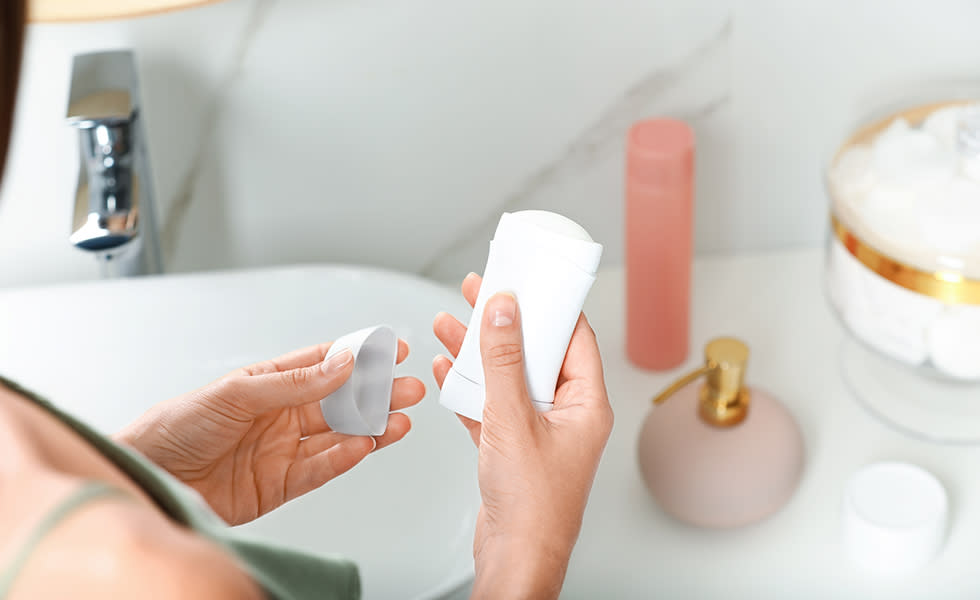
Eccrine vs. Apocrine Glands: Two Types of Sweat
Your body has two main types of sweat glands, and they serve very different purposes.
Eccrine glands are found across most body sites — from your forehead to your palms, feet, and back. These glands are your built-in cooling system. When your body temperature rises from exercise, heat, or a warm room, eccrine glands release a thin, watery sweat composed mostly of water and salt. This sweat evaporates quickly and, on its own, produces very little odor. As the sweat evaporates from your skin, it cools the skin’s surface. It's your body doing exactly what it's designed to do: keeping you cool.
Apocrine glands are a different story. These glands are concentrated in specific areas — primarily at hairy body sites, like your armpits and groin — and they don't activate in response to heat. Instead, apocrine glands are triggered by emotions: stress, anxiety, nervousness, or excitement, for example. The sweat they produce is thicker and richer, loaded with proteins and lipids (food for bacteria).
Here's a quick comparison:
Feature | Eccrine Glands | Apocrine Glands |
|---|---|---|
| Location | Most body site | Armpits, groin, and other hair-baring body sites |
| Trigger | Heat and physical exertion | Stress, anxiety, and emotions |
| Sweat composition | Mostly water and salt | Rich in proteins and fats |
| Odor potential | Low | High |
| Primary function | Thermoregulatory | Linked to emotional response |
Understanding the difference between these two types of glands explains a lot — including why you might notice a sharper smell during a stressful meeting than during a long run.
Why Stress Sweat Smells Worse
You've probably noticed it: the odor that shows up during a nerve-wracking presentation or when a high-pressure moment hits differently than the sweat from a workout. That's not your imagination. Stress sweat genuinely smells worse, and the science behind it is straightforward.
When you're stressed or anxious, your apocrine glands activate and release that protein- and fat-rich sweat. For the bacteria already living on your skin, this is essentially an all-you-can-eat buffet. The proteins and lipids in apocrine sweat are the perfect food source for these microorganisms. They break down those compounds rapidly, and the metabolic byproducts they generate are responsible for that sudden, more recognizable odor.
The result is a noticeable smell that can seem to appear out of nowhere. You weren't exerting yourself physically. You weren't overheating. But your body's emotional response triggered a cascade: stress activated apocrine glands, apocrine glands released nutrient-dense sweat, bacteria consumed it, and odor followed.
This is why high-pressure situations — a job interview, a big game, a packed commute — may produce stronger odor than an from working out alone. The type of sweat matters just as much as the amount.
How to Address Body Odor: Science-Backed Solutions
Deodorant vs. Antiperspirant: What's the Difference?
Now that you know odor is a bacterial byproduct and not a sweat problem per se, the distinction between deodorants and antiperspirants becomes much clearer.
Deodorants target the odor side of the equation. They work by fighting body odor through several channels, like:
Creating an environment that is less hospitable for bacteria to thrive.
Absorbing sweat and sweat-contained lipids and fats
Targeted fragrance release technology
If your primary concern is odor rather than wetness, deodorant is a good starting place.
Antiperspirants take a different approach. They contain aluminum salts that form temporary plugs in the sweat gland, reducing the amount of sweat that reaches your skin's surface. Less sweat means less fuel for bacteria, which in turn means less odor. Antiperspirants are particularly effective for people who experience both excessive moisture and odor.
Many brands, including Secret, offer combination products that reduce sweat and control odor in one application; these products are Antiperspirant Deodorants. The key is matching the solution to your specific need:
Primarily concerned about odor? A deodorant (including aluminum-free options) may be all you need.
Dealing with both wetness and odor? An antiperspirant or a combination product offers broader protection.
There's no one-size-fits-all answer because everyone has unique sweat and odor needs. What matters is understanding what your body is doing so you can choose the product that actually addresses it.
Daily Habits That Reduce Body Odor
The right product goes a long way but pairing it with smart habits can make a real difference in how you feel throughout the day.
Cleanse consistently. Washing your underarms thoroughly with cleansers designed to rinse off bacteria and residual sweat, oils, and grime, is critical. This gives your deodorant or antiperspirant a clean canvas to work with.
Apply at the right time. Antiperspirants are most effective when applied to dry skin at night before bed. Your body temperature is lower, and sweat glands are less active while you sleep, which allows the active ingredients to settle into your sweat ducts more effectively, leading to improved protection the following day.
Wear breathable fabrics. Synthetic materials can trap moisture and heat against your skin, creating an environment where bacteria thrive. Natural fibers like cotton and linen help keep your skin drier and cooler.
Manage stress where you can. Since stress is a direct trigger for apocrine sweat, anything that helps you manage anxiety—like deep breathing, preparation, or physical activity—may reduce the frequency of those odor-producing stress-sweat episodes.
Pair these habits with an appropriate product. For many people, a consistent routine plus targeted protection is how to stay fresh throughout the day.
Choosing the Right Odor Protection for You
Everyone's body is unique, which means the best odor protection for you might look different from what works for someone else. Here are a few factors to consider — and a helpful starting point is comparing Secret’s lineup alongside other options to match your needs.
Coverage area: Body odor isn't limited to your armpits. Whole-body deodorants are designed for use in other areas where apocrine glands are active, including under the breasts and in the groin area. These products are formulated to be safe and effective beyond just the underarms.
Format preference: Sticks, gels, sprays, and creams offer different application experiences. Some people prefer the dry feel of a solid stick, while others like the lightweight coverage of a spray. The best format is the one you'll use consistently.
Aluminum-free vs. aluminum-based: This is a personal choice. Aluminum-free products are deodorants that focus on odor neutralization without reducing sweat output. Aluminum-containing products are antiperspirants that reduce both sweat and odor. Both approaches are effective. Choosing depends on what your body needs and what you're comfortable with.
Strength level: For everyday situations, a standard-strength product may be more than sufficient. For high-stakes days, clinical-strength options offer enhanced, longer-lasting protection — sometimes up to 72 hours or more. Secret Clinical even offers 100 hours of sweat and odor protection—our strongest protection yet.
Address the science of body odor effectively with Secret Clinical. This powerful antiperspirant delivers 100 hours of sweat and odor protection, creating a protective barrier against wetness. Simultaneously, its formula, featuring conditioners and emollients, supports your skin's surface barrier, ensuring both advanced efficacy and comfortable skin care.
FAQs
Is body odor caused by sweat? Not directly. Sweat itself is odorless when it leaves your body. Body odor is caused by bacteria on your skin breaking down the proteins and fats in apocrine sweat, producing body odor during the process.
Why does stress sweat smell worse than exercise sweat? Stress activates your apocrine glands, which produce a thicker sweat rich in proteins and lipids. Bacteria break down these compounds resulting in a stronger odor. Eccrine sweat does not contain the high concentration of lipids and proteins, and thus, does not yield the same body odor characteristic of stress sweat.
What's the difference between deodorant and antiperspirant? Deodorant targets odor by fighting odor-causing bacteria, absorbing sweat, or addressing odor through targeted fragrance release. Antiperspirant reduces the amount of sweat that reaches your skin’s surface by forming temporary plugs in sweat ducts with aluminum salts. Many products combine both functions and are labeled as Antiperspirant Deodorants.
Is it safe to use deodorant on areas other than my armpits? Whole-body deodorants are specifically formulated to be safe and effective on areas beyond the underarms, including under the breasts and other regions where odor can occur. Always choose a product designed for whole-body use if using beyond the underarm area. Refer to your specific product, for instructions for use.
When is the best time to apply antiperspirant? Apply your antiperspirant at night before bed, when your body temperature is lower and sweat glands are less active. This allows the active ingredients to absorb more effectively; the same guidance applies when using Secret antiperspirant products.
Key Highlights
- Sweat is nearly odorless — bacteria are the real cause of body odor.
The smell you associate with sweating is actually produced by bacteria on your skin breaking down proteins and fats in apocrine sweat, not by the sweat itself.
- Stress sweat is different from heat and activity (thermoregulatory) sweat.
Apocrine glands, triggered by stress, produce a nutrient-rich sweat that bacteria metabolize more aggressively, which is why high-pressure moments can cause a sharper, more sudden odor.
- Deodorants and antiperspirants solve different parts of the problem.
Deodorants address odor-causing bacteria and their byproducts, while antiperspirants reduce the volume of sweat that reaches the skin’s surface— understanding the distinction helps you choose the right protection for your needs.
- There's no one-size-fits-all solution.
Body chemistry, lifestyle, and personal preference all play a role in determining the best odor protection — the right choice is the one tailored to your body and your life.
Related Articles
Whole Body Deodorant
Combat Body Odor from Pits to Privates
Secret Whole Body Deodorant has been designed with your whole body in mind, including your underboob, feet, thighs, chest, and even privates!
Read more about
Odor & Sweat Protection
Why do I sweat?
Discover why you sweat and how it helps regulate your body temperature. Learn about different sweat types and debunk myths about sweat and toxins.
Read more about
Odor & Sweat Protection
What makes Secret a great option for Odor Protection?
Discover what makes Secret the best for odor protection. Learn how body odor starts, how your diet impacts it, and how Secret antiperspirants and deodorants keep you fresh.
Read more about
Odor & Sweat Protection
What makes Secret a great option for Sweat Protection?
Learn how to manage sweat effectively with Secret's top tips. Discover the best antiperspirant application techniques and lifestyle changes for optimal sweat protection.
Read more about