
Body odor is normal — and understanding what causes it is the first step toward managing it with confidence. If you've ever wondered why certain areas of your body produce a stronger smell than others, the answer comes down to biology: a specific type of sweat gland, the bacteria that live on your skin, and how they interact. Women experience body odor for the same fundamental reasons everyone does, but hormonal fluctuations, lifestyle factors, and the unique composition of sweat in key areas can all influence how and when odor shows up. Let's break down exactly what's happening so you can feel informed, empowered, and in control.
How Body Odor Actually Starts
Surprisingly, sweat itself is virtually odorless. The smell we associate with body odor isn't coming directly from your sweat — it's coming from what happens after sweat reaches the surface of your skin.
It takes three to tango when it comes to body odor: sweat, bacteria, and time. Your skin is home to millions of bacteria, and when those bacteria encounter fats and lipids in your sweat, they break them down and produce gaseous byproducts. Those byproducts are what create the distinctive gas we recognize as body odor.
Not all sweat is created equal, though. Your body has two primary types of sweat glands, and only one of them is a major player in odor production.
The Role of Apocrine Glands
Your body contains two types of sweat glands: eccrine glands and apocrine glands. Eccrine glands are distributed across most of your body and produce a thin, watery sweat that's mostly water and salt. This is sweat is thermoregulatory, meaning that it is controlled by the hypothalamus and helps regulate your body temperature during exercise or on a hot day. It doesn't contribute much to odor on its own.
Apocrine glands are a different story. These glands are concentrated in specific areas — your underarms, groin, and feet — and they produce a thicker sweat that's rich in proteins and fats. Apocrine glands don't activate until puberty, which is why body odor tends to become noticeable during this life stage.
The key distinction is what apocrine sweat contains. Unlike the mostly-water output of eccrine glands, apocrine sweat delivers nutrients that bacteria on your skin are eager to feast on. When those bacteria metabolize the proteins and fatty acids in apocrine sweat, they produce volatile compounds — and that's the smell.
How Bacteria and Sweat Interact to Create Odor
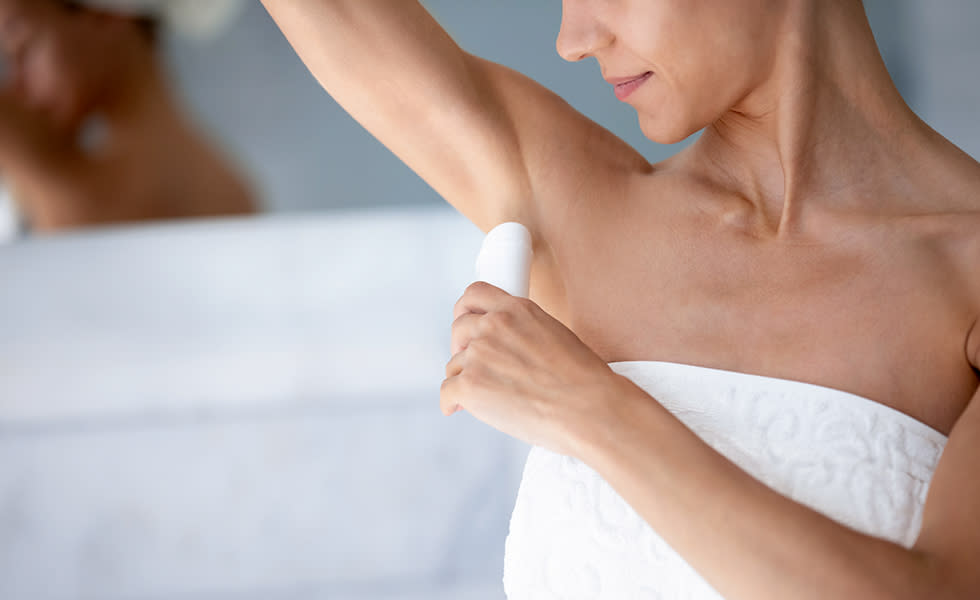
Your underarm is a microbiome — a thriving ecosystem of bacteria. The warm, moist environment of your armpit is an ideal habitat for bacteria like Staphylococcus Hominis and Staphylococcus Epidermis, which are among the primary odor-producing species found on human skin.
Here's the process in simple terms:
Apocrine glands release sweat containing proteins, lipids, and fatty acids onto the skin's surface.
Resident bacteria break down these compounds through metabolic processes.
Byproducts are released, including thioalcohols and volatile fatty acids, which produce the characteristic body odor smell.
Bacteria do not create a single universal byproduct or odor, rather, each bacteria produces a unique set of intermediates and odors.
The intensity of odor depends on several factors: how much you're sweating, the density and composition of bacteria on your skin, and how long the bacteria have to do their work. This is why odor tends to build over time rather than appearing the instant you start sweating.
It's also worth noting that every person's skin microbiome is slightly different. The specific mix of bacterial species on your skin influences the type and intensity of odor you experience, which is why body odor can vary so much from person to person.
Why Certain Body Areas Smell More Than Others
Not every part of your body produces the same level of odor, and that's directly tied to where your apocrine glands are located.
Underarms
Your underarms are a well-known source of body odor — and for good reason. This area has one of the highest concentrations of apocrine glands—those that contain fuel for bacteria. The combination of a warm, enclosed environment, abundant apocrine sweat, and a dense population of bacteria makes your armpits a prime location for odor production.
Feet
Your feet might not seem like an obvious candidate for apocrine-related odor, but they have their own unique odor profile. While feet contain a high density of eccrine glands, the enclosed, often damp environment inside shoes creates conditions where bacteria thrive. The combination of moisture, warmth, and limited airflow allows bacteria to proliferate and produce odor-causing compounds, similar to the mechanism in your underarms.
Intimate Areas
The groin and intimate areas are another apocrine-rich zone. Just like your underarms, these areas produce sweat that contains the proteins and fatty acids bacteria love.
The important thing to remember is that odor in any of these areas is a natural biological process. It's not something to be embarrassed of — It’s simply your body functioning as designed.
Factors That Can Influence Body Odor in Women
While the core mechanism of body odor is the same for everyone, several factors can impact odor intensity.
Hormonal Fluctuations
Hormones play a significant role in sweat production and composition. Estrogen and progesterone levels shift throughout the menstrual cycle, during pregnancy, and during peri-menopause and menopause — and these shifts can directly affect how much you sweat and how your sweat smells. Many women notice changes in body odor at different points in their cycle or during major hormonal fluctuations.
Diet and Lifestyle
What you eat can influence the compounds present in your sweat. Foods high in sulfur — like garlic and onions— can contribute to stronger body odor. Spicy foods can also increase sweating, which gives bacteria more material to work with. Alcohol and caffeine may have a similar effect.
Stress is another factor. When you're stressed or anxious, your body activates apocrine glands more readily than during regular thermoregulation. Stress sweat tends to be richer in the proteins and fats that bacteria feed on, which is why you might notice a stronger odor during high-pressure moments — whether in the boardroom, on the court, or in everyday life.
Clothing and Environment
Synthetic fabrics can trap moisture and heat close to the skin, creating a welcoming environment for odor-causing bacteria. Natural fibers like cotton and linen tend to allow better airflow and evaporation, which can help reduce odor buildup.
| Factor | How It Influences Body Odor |
|---|---|
Hormonal changes | Alter sweat composition and volume |
Diet (garlic, spices, alcohol) | Introduces odor-contributing compounds into sweat |
Stress and anxiety | Triggers apocrine glands, producing protein-rich sweat that leads to body odor |
Synthetic clothing | Traps moisture and heat, promoting bacterial growth |
Managing Body Odor with Confidence
Understanding the biology behind body odor is empowering because it puts you in the driver's seat. Once you know that odor is the result of bacteria interacting with apocrine sweat, you can make informed choices about how to manage it.
The right approach depends on your body, your lifestyle, and your preferences. Some women need robust sweat and odor protection for high-activity days, while others may seek odor alone. Some want underarm-specific solutions; others need whole-body options that address multiple apocrine-rich areas.
To meet your unique needs, Secret offers a broad selection of products with differing use cases.
Product | Purpose | Area of Use |
|---|---|---|
Antiperspirant deodorant sticks & sprays | Sweat & odor protection | Specific to the underarm |
Deodorant sticks & sprays | Odor protection | Specific to the underarm |
Whole body deodorant | Odor protection | Suitable for use all over* *for external use only |
Whole body cooling mist | Odor protection & instant cooling | Suitable for use on normal skin all over* *for external use only |
Learn more about our product forms and collections Which Secret Form & Collection is Right for You?.
Whatever your needs, the goal is the same: feeling dry, and fresher under pressure, so you can focus on what matters most.
Combat body odor at its source with Secret Clinical. Our advanced formula doesn't just mask odor; it provides 100 hours of underarm sweat and odor protection while moisturizing to strengthen your underarm skin's barrier. Ingredients like hyaluronic acid and petrolatum work to keep skin feeling smooth and resilient, offering both powerful protection and skin loving support. See Product Listing
FAQs
Why does my body odor change throughout the month? Hormonal fluctuations during your menstrual cycle affect the composition and volume of sweat your apocrine glands produce, which can change how bacteria interact with your sweat and shift odor intensity or character.
Is it normal to have body odor in intimate areas? Yes. External intimate areas contain apocrine glands just like your underarms, so odor production in those areas follows the same biological process and is a normal part of body function.
Does stress really make body odor worse? Yes. Stress activates apocrine glands, producing sweat richer in proteins and fatty acids — the compounds bacteria break down to create odor — so high-pressure situations can lead to stronger smells.
Why do my underarms smell more than other body parts? Underarms have one of the highest concentrations of apocrine glands, and the warm, occlusive environment slows sweat evaporation, giving bacteria more time and material to produce odor-causing byproducts.
Key Highlights
- Body odor is a bacterial byproduct, not a sweat problem.
The smell we associate with body odor comes from bacteria on the skin breaking down proteins and fatty acids in apocrine sweat — not from the sweat itself.
- Apocrine glands are the primary driver.
Concentrated in the underarms, groin, and feet, apocrine glands produce the protein- and fat-rich sweat that fuels odor-causing bacteria, which is why these areas tend to smell more than others.
- Hormones, diet, and stress all play a role.
Body odor can fluctuate due to menstrual cycle changes, dietary choices, and stress-triggered apocrine activation — making odor management a dynamic, personal process.
- Body odor is normal and manageable.
Understanding the science behind odor removes the stigma and empowers you to choose the right protection strategy for your body, lifestyle, and preferences.
- Every body is different.
Variations in skin microbiome, hormonal patterns, and lifestyle mean that body odor is a highly individual experience — and solutions should be tailored accordingly.
Related Articles
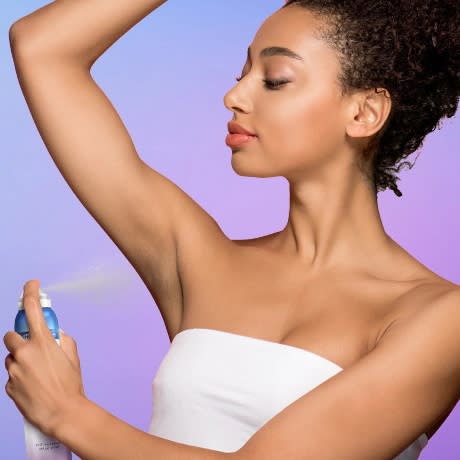
Whole Body Deodorant
Combat Body Odor from Pits to Privates
Secret Whole Body Deodorant has been designed with your whole body in mind, including your underboob, feet, thighs, chest, and even privates!
Read more about
Odor & Sweat Protection
Why do I sweat?
Discover why you sweat and how it helps regulate your body temperature. Learn about different sweat types and debunk myths about sweat and toxins.
Read more about
Odor & Sweat Protection
What makes Secret a great option for Odor Protection?
Discover what makes Secret the best for odor protection. Learn how body odor starts, how your diet impacts it, and how Secret antiperspirants and deodorants keep you fresh.
Read more about
Odor & Sweat Protection
What makes Secret a great option for Sweat Protection?
Learn how to manage sweat effectively with Secret's top tips. Discover the best antiperspirant application techniques and lifestyle changes for optimal sweat protection.
Read more about